
A Mazda RX8 alternator in NZ typically requires a 12V unit with an output between 100A to 130A to support the Renesis rotary engine’s high-demand ignition and electric power steering systems. When sourcing a replacement in New Zealand, prioritize reputable brands like Mitsubishi Electric or high-output aftermarket upgrades to prevent hot start issues and ensure electrical stability.
For New Zealand rotary enthusiasts, the Mazda RX-8 is more than just a sports car; it is a precision machine that demands meticulous maintenance. One of the most critical, yet often overlooked, components of the Renesis rotary engine ecosystem is the charging system. Unlike standard piston engines, the RX-8 relies heavily on a robust electrical supply to power its unique ignition coils, electric power steering (EPS), and complex ECU management. If you are searching for a Mazda RX8 alternator NZ, you are likely experiencing voltage drops, starting issues, or dashboard warning lights.
This comprehensive guide addresses everything a Kiwi owner needs to know about the RX-8 charging system. From diagnosing specific rotary-related electrical faults to choosing between OEM replacements and high-output upgrades available in the New Zealand market, we cover the essential details to keep your vehicle road-worthy and responsive.

Signs of a Failing Alternator in an RX-8
Detecting a failing alternator in a Mazda RX-8 requires a keen eye, as the symptoms can sometimes mimic battery failure or starter motor issues. However, because the RX-8 utilizes Electric Power Steering (EPS), the signs of voltage irregularity are often more distinct than in hydraulic-steering vehicles.
The “Christmas Tree” Dashboard Effect
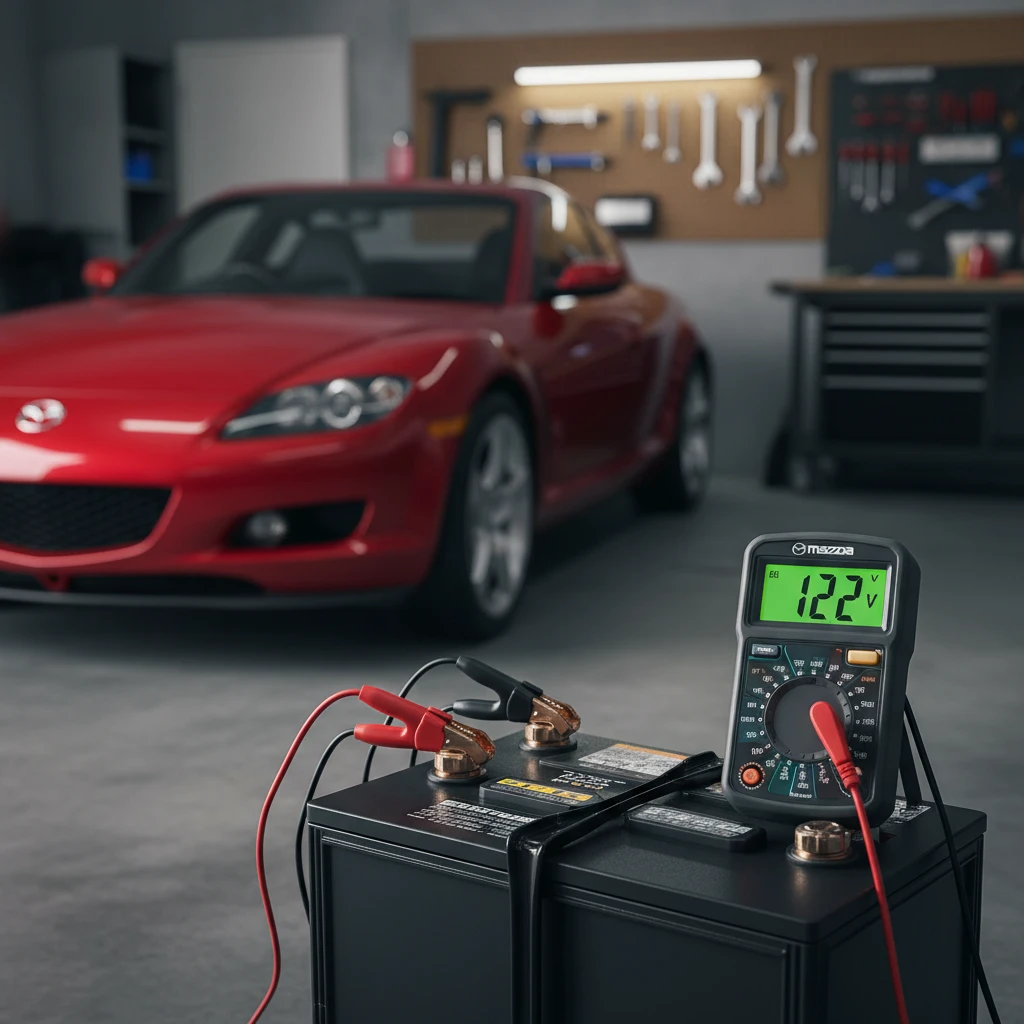
One of the most common indicators of alternator failure in the RX-8 is the sudden illumination of multiple warning lights. While the battery light is the standard indicator, RX-8 owners often see the DSC (Dynamic Stability Control) and ABS lights flash first. This happens because these safety systems are highly sensitive to voltage fluctuations. If the alternator output drops below a certain threshold (typically 13.5 volts under load), the ECU disables non-essential high-draw systems like the DSC to preserve energy for the ignition and fuel injectors.
Loss of Power Steering (EPS Failure)
The RX-8’s electric power steering rack draws significant amperage. A failing alternator cannot keep up with this demand, especially during low-speed maneuvering or parking. If you notice the steering wheel becoming heavy or “jerky” while the engine is running, it is a primary symptom that the charging system is not delivering adequate current. In New Zealand’s winding roads, losing power assist can be a significant safety hazard.
Weak Ignition and Hot Start Issues
The Renesis engine is notorious for “hot start” problems, usually attributed to low compression or a weak starter motor. However, a degrading alternator contributes to this by failing to fully charge the battery during the drive. If the battery voltage is consistently low due to poor alternator performance, the ignition coils will not fire with maximum dwell time, leading to misfires, flooding, and the dreaded inability to restart the car after a fuel stop.
Audible Whining or Grinding
Alternator bearings in the RX-8 are subjected to high heat due to the compact nature of the engine bay. A high-pitched whining sound that rises and falls with engine RPM often indicates diode failure or bearing disintegration. If the sound is more of a grinding noise, the internal rotor may be contacting the stator.
OEM vs. High Output Options
When looking for a replacement Mazda RX8 alternator in NZ, owners are faced with a choice: stick with the factory specifications or upgrade to a high-output unit. Understanding the difference is crucial for the longevity of your vehicle.
The OEM Standard (Mitsubishi Electric)
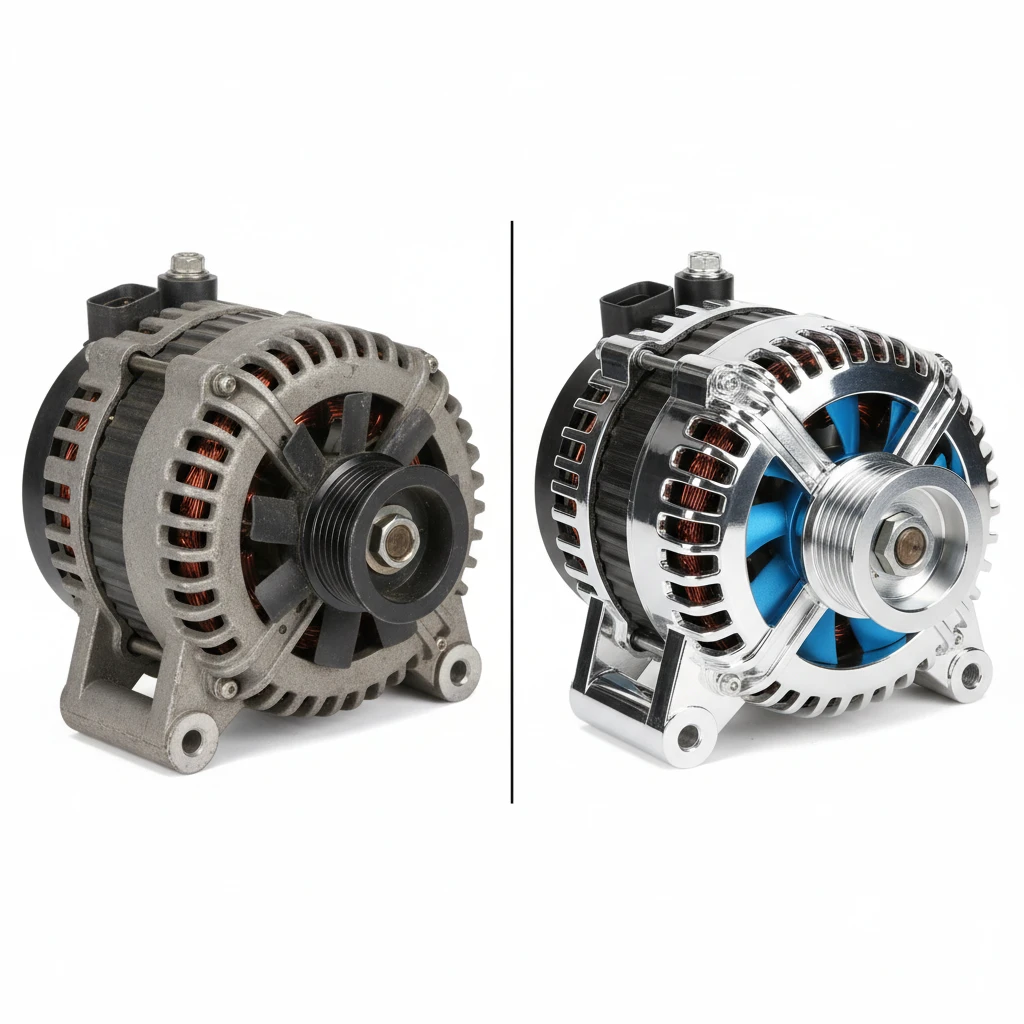
The factory alternator for the Series 1 and Series 2 RX-8 is typically manufactured by Mitsubishi Electric. These units are rated around 100 amps. For a stock vehicle driven daily in typical New Zealand conditions, an OEM replacement is sufficient. It provides enough power for the standard Bose sound system, lights, and AC.
Pros: Direct fitment, predictable reliability, widely available through NZ auto parts retailers.
Cons: struggles if aftermarket electronics (subwoofers, gauges) are added.
High Output Alternators (130A – 160A+)
For enthusiasts running upgraded ignition systems (such as the popular LS coil conversion), aftermarket sound systems, or additional cooling fans for track days at Hampton Downs or Pukekohe, the stock 100A unit is often inadequate. High-output alternators feature rewound stators and smaller pulleys to generate more amperage at idle and higher peak output.
Why Upgrade? The RX-8 ignition system relies on strong voltage to prevent carbon buildup. A high-output alternator ensures that even with lights, AC, and wipers on, the voltage remains above 14V, ensuring a clean, hot spark. This is particularly beneficial for preserving the life of the catalytic converter and engine seals.
Voltage Stabilizers and Grounding Kits
In the Japanese Domestic Market (JDM) scene, voltage stabilizers and grounding kits are popular modifications. But are they necessary for an RX-8 in New Zealand?
The Grounding Issue
As RX-8s age, the factory grounding points corrode, increasing resistance. This resistance causes a drop in voltage between the alternator, battery, and engine block. This is often why owners experience flickering headlights or radio interference.
Are Stabilizers Worth It?
A voltage stabilizer essentially acts as a capacitor, smoothing out minor voltage spikes and drops. While not a replacement for a bad alternator, a high-quality stabilizer combined with a “Big 3” grounding upgrade (replacing the main battery, alternator, and chassis ground cables with thicker gauge wire) can significantly improve throttle response and idle stability. For NZ owners dealing with older imports, refreshing the grounds is a cost-effective maintenance step that supports the alternator’s longevity.
Shop Charging Systems: Buying in NZ
Sourcing parts in New Zealand can sometimes be challenging due to shipping costs and stock availability. Here is how to navigate the market for a Mazda RX8 alternator NZ.
New vs. Remanufactured
New Units: Buying brand new ensures all internal components (rectifier, regulator, brushes) are fresh. Look for brands that offer a warranty valid in New Zealand.
Remanufactured: Many NZ auto electrical shops offer reconditioned units. This is a viable option if the rebuild was done professionally, replacing the regulator and bearings. However, ensure the unit was bench-tested to meet the specific load requirements of the Rotary engine.
Key Specs to Verify Before Purchase
- Plug Type: Ensure the connector matches your specific year (Series 1 2003-2008 vs. Series 2 2009-2012).
- Amperage: Do not buy a unit rated lower than 100 Amps.
- Pulley Size: Ensure the pulley diameter matches your belt setup to prevent under-driving or over-driving the accessory belt.
Price Expectations in NZD
In the New Zealand market, expect to pay between $250 and $450 NZD for a quality remanufactured unit. Brand new OEM or high-performance aftermarket units can range from $500 to over $800 NZD depending on the brand and amperage rating. Be wary of extremely cheap units (under $150 NZD) found on general marketplaces, as these often use inferior voltage regulators that fail under the heat of a rotary engine bay.
Installation and Maintenance Tips
Replacing the alternator on an RX-8 is a manageable DIY task for those with basic mechanical skills, but it requires patience.
Step-by-Step Overview
- Disconnect Battery: Always disconnect the negative terminal first to prevent short circuits.
- Remove Air Box: The intake system must be removed to access the alternator and belts.
- Loosen Tension: The RX-8 uses manual tensioners on some models and stretch belts on others depending on the year; verify your belt diagram.
- Electrical Connections: Carefully unplug the control harness and unbolt the B+ terminal.
- Swap and Tension: Install the new unit. Correct belt tension is critical—too loose causes squealing and low charge; too tight damages the bearings. Deflection should be about 10mm under moderate thumb pressure.
Post-Installation Checks
After installation, use a multimeter to check the voltage at the battery terminals while the car is idling. You should see between 13.8V and 14.4V. Turn on the headlights and AC; the voltage should remain steady. If it drops significantly below 13.5V, recheck your belt tension and ground connections.
People Also Ask
How do I know if my RX8 alternator is bad?
Common signs include the battery light illuminating, dimming headlights, slow power windows, the “Christmas Tree” effect (ABS/DSC lights on), and a whining noise from the engine bay. A multimeter reading below 13.5V while the engine is running confirms the issue.
What is the amperage of a stock Mazda RX8 alternator?
The stock OEM alternator for the Mazda RX-8 is typically rated at 100 Amps. This is sufficient for a stock vehicle, but upgrades are recommended for cars with aftermarket electronics.
Can a bad alternator cause hot start issues in an RX8?
Yes indirectly. A weak alternator fails to fully charge the battery. A weak battery spins the starter motor slower and provides weaker spark energy, both of which are critical factors in causing rotary hot start failure.
How much does it cost to replace an alternator in NZ?
Parts generally cost between $250 and $600 NZD. Labor at a professional workshop in New Zealand will typically add 1 to 2 hours of labor, bringing the total estimated cost to $400 – $900 NZD depending on the component quality.
Do I need to upgrade my alternator for LS coils?
While not strictly mandatory, it is highly recommended. LS coils draw more current than stock coils to produce a stronger spark. A high-output alternator ensures they receive consistent voltage to operate at peak efficiency.
Where is the best place to buy RX8 parts in NZ?
Specialized rotary workshops, reputable auto electrical suppliers (like Repco or Supercheap Auto for standard parts), and dedicated online rotary performance stores are the best sources. Avoid unbranded generic parts for critical electrical components.