
Sourcing high-quality RX8 parts in NZ requires a specialized understanding of the Renesis rotary engine’s unique needs. Whether maintaining a Series 1 (2003-2008) or Series 2 (2009-2012), owners must prioritize specific ignition components, specialized rotary engine oils, and cooling upgrades to ensure longevity, performance, and compliance with New Zealand WOF standards.
Comprehensive Guide to Mazda RX-8 Maintenance and Parts in New Zealand
Owning a Mazda RX-8 in New Zealand is a commitment to automotive passion. The Renesis rotary engine is a marvel of engineering, offering 9,000 RPM thrills that piston engines simply cannot match. However, the unique architecture of the 13B-MSP engine demands a proactive approach to maintenance and a reliable source for genuine and high-performance parts. Unlike standard vehicles, you cannot simply pick up generic oil or spark plugs from a local hardware store and expect the vehicle to perform; doing so often leads to catastrophic engine failure.
This guide serves as the ultimate resource for Kiwi enthusiasts looking to source the best RX8 parts NZ has to offer, ensuring your rotary runs smoothly from Cape Reinga to Bluff. We cover everything from critical ignition upgrades to passing your Warrant of Fitness (WOF) with flying colors.

What are the Critical Categories for RX-8 Parts in NZ?
When browsing for RX-8 components, it is vital to categorize your needs based on the known failure points of the Renesis engine. The “Holy Trinity” of rotary reliability consists of Ignition, Cooling, and Lubrication.
1. Ignition System: The Heartbeat of the Rotary
The ignition system is arguably the single most critical maintenance area for the Mazda RX-8. Unlike piston engines, a weak spark in a rotary doesn’t just mean a misfire; it means unburnt fuel washes away the oil film inside the rotor housing, leading to rapid apex seal wear and eventual compression loss.
- Ignition Coils: The OEM coils are notorious for failing after 30,000km to 50,000km. We stock upgraded “C” revision coils and high-performance aftermarket options (like Black Halo Racing or High-Performance LS coil conversions) that provide a hotter, more consistent spark.
- Spark Plugs (NGK Laser Iridium): The RX-8 requires two distinct types of plugs per rotor: Leading (Lower) and Trailing (Upper). Mixing these up can cause engine damage. We supply the correct NGK RE7C-L and RE9B-T plugs specifically designed for NZ driving conditions.
- HT Leads: As coils degrade, resistance in the leads increases. Replacing leads simultaneously with coils is a mandatory practice for preventative maintenance.
2. Cooling System Upgrades
Rotary engines generate significantly more heat than their piston counterparts. In New Zealand’s variable climate—where you might face humid summers and alpine winters—thermal management is key.
- Radiators: The plastic end tanks on stock radiators are prone to cracking over time. We recommend upgrading to a full-aluminum Koyo or Mishimoto radiator to increase coolant capacity and heat dissipation efficiency.
- Thermostats & Water Pumps: A lower-temp thermostat can help trigger coolant flow earlier, keeping engine temps stable during spirited driving on NZ’s winding backroads.
3. Engine & Exhaust Components
From rebuild kits containing apex seals, corner seals, and O-rings, to exhaust systems that balance flow with noise compliance, sourcing the right hard parts is essential.
- Catalytic Converters: The RX-8 runs rich by design to cool the exhaust gases. This often melts the honeycomb structure of the catalytic converter, causing backpressure that kills engines. We offer high-flow metallic cats that pass NZ emissions testing without choking the engine.
- Starters: Early Series 1 models had weak starter motors (1.2kw). Upgrading to the faster spinning Series 2 starter (2.0kw) is a common fix for hot-start issues.

How to Distinguish Between Series 1 and Series 2 Parts?
One of the most common mistakes Kiwi RX-8 owners make is purchasing parts for the wrong model year. Mazda made significant mechanical and aesthetic changes in 2009.
Series 1 (2003–2008)
The Series 1 is the most common RX-8 on New Zealand roads. However, it has specific quirks:
- Oil Metering Pump (OMP): Mechanical/Electronic hybrid. It has two injectors per rotor.
- Oil Filter: Located in a difficult-to-reach spot on the rear of the engine.
- Water Pump: Uses a specific gasket and impeller design different from the S2.
Series 2 (2009–2012)
The “Facelift” model introduced reliability improvements that changed part compatibility:
- Oil Metering Pump: Fully electronic with higher pressure. It utilizes three oil injectors per rotor (two on the housing, one on the iron) for better lubrication of the apex seals. S1 OMPs are not compatible.
- Oil Filter: Relocated for easier access. The thread pitch and size differ from S1.
- Suspension: Rear suspension geometry was altered, meaning control arms and bushings are not always interchangeable between series.
Pro Tip: Always check your VIN or chassis code before ordering. JM1FE… usually denotes S1, while later codes or specific aesthetic cues (like the triangular turn signals) indicate S2.
Which Brands Should You Trust for Rotary Reliability?
In the world of RX8 parts NZ, brand reputation is everything. Cheap knock-off sensors or filters can destroy a Renesis engine in minutes.
Idemitsu: The Liquid Engineering Choice
Idemitsu is the OEM supplier for Mazda’s rotary oil. Unlike standard 5W-30 synthetic oils which leave ash deposits when burnt (clogging ports and sticking seals), Idemitsu Rotary Engine Oil is engineered to burn clean. In New Zealand, where high-RPM driving is common on our open roads, using Idemitsu Premix in the fuel tank is also highly recommended to supplement the internal OMP system.
NGK: The Only Spark Plug Option
Do not use Bosch, Champion, or other alternatives for the RX-8. The Renesis engine was developed specifically around NGK Laser Iridium technology. Other plugs may have the wrong heat range or electrode reach, risking contact with the rotor face.
Exedy: Clutch Performance
As the OEM manufacturer for Mazda clutches, Exedy offers the best balance of pedal feel and clamping force. For street-driven RX-8s in NZ, the Exedy Stage 1 Organic clutch is the gold standard replacement.

Why Choose a New Zealand Based Rotary Specialist?
While international sites exist, sourcing your parts locally in New Zealand offers distinct advantages for the transactional buyer.
1. Speed and Shipping
When your daily driver is off the road due to a flooded engine or broken coil, you cannot wait three weeks for international freight. We stock our inventory in Auckland and Christchurch, ensuring overnight delivery to most main centers.
2. No Customs Surprises
Importing car parts into NZ often incurs GST and duty fees at the border, along with brokerage charges. Our prices are GST inclusive with no hidden import costs.
3. Expert Advice for NZ Conditions
New Zealand has unique fuel qualities (95 and 98 Octane availability) and driving conditions. Our team understands the specific maintenance schedule required for an RX-8 living in NZ, including how to handle cold starts in the South Island versus the humidity of the North.
Latest Guides: WOF Compliance & Maintenance Tips
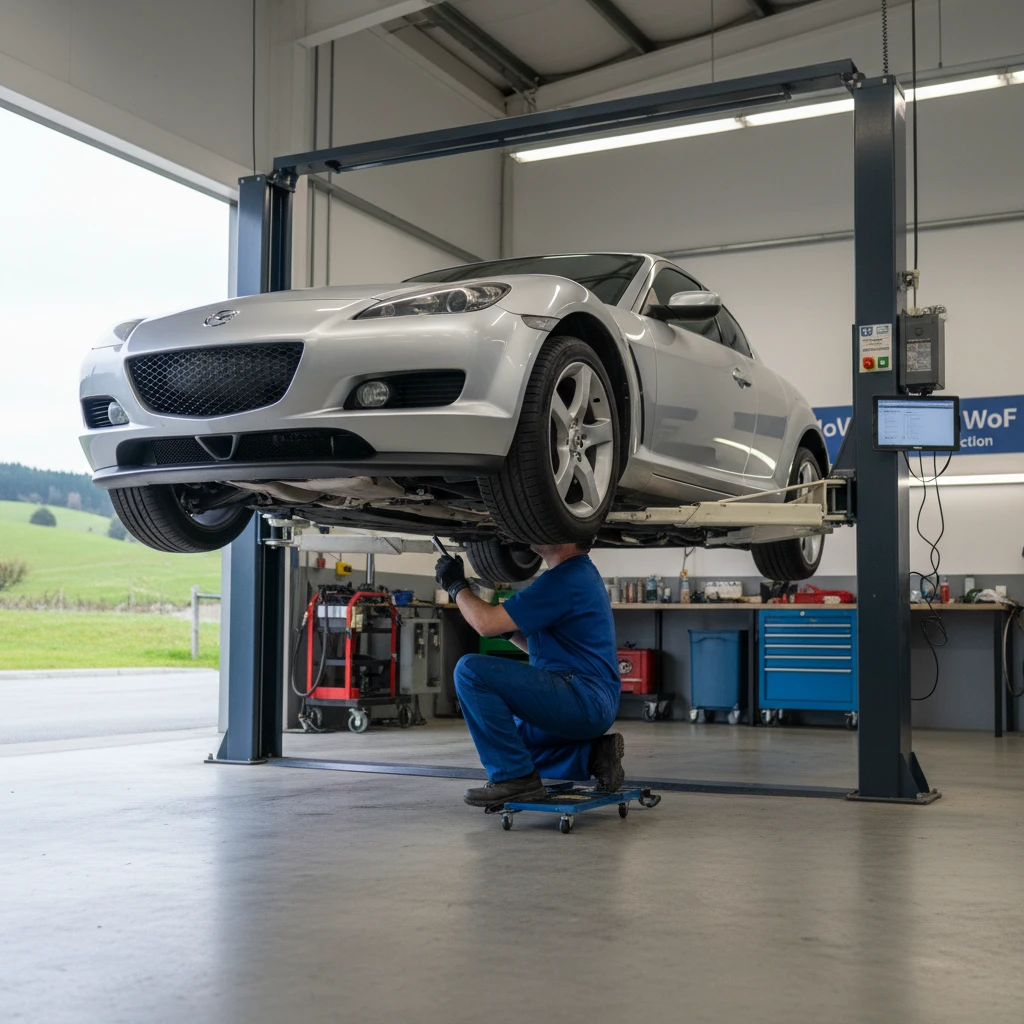
Passing a Warrant of Fitness (WOF) in an RX-8 can be tricky if you aren’t prepared. Here are the most common failure points we see in our workshop.
Emissions and Catalytic Converters
NZ WOF inspectors are becoming stricter on visible smoke and exhaust leaks. A failing engine (low compression) will burn excessive oil, leading to blue smoke that results in a WOF failure. Additionally, if you have “gutted” your catalytic converter to improve flow, you may fail if the inspector notices the modification or if the exhaust is excessively loud.
Suspension Bushes and Links
The RX-8 has a sophisticated multi-link suspension setup. Over time, the drop links (sway bar links) rattle, and rear control arm bushings split. We stock complete suspension refresh kits to ensure you pass your WOF the first time.
Corrosion (Rust)
While Mazda improved rust protection compared to the RX-7, imported RX-8s from Japan or the UK can suffer from underbody corrosion. Inspect the rear wheel arches and the sills regularly. We supply rust-prevention coatings and replacement body panels where necessary.
Frequently Asked Questions
How often should I change the oil in my RX-8 in NZ?
Due to the design of the rotary engine injecting oil into the combustion chamber, oil degrades faster than in piston engines. In New Zealand conditions, we recommend changing the oil and filter every 5,000km or 6 months, whichever comes first. Always check your oil level every second fuel fill-up.
What is the best oil to use for a Mazda RX-8?
For the engine sump, a mineral-based 10W-30 or 10W-40 is traditionally recommended by Mazda to ensure clean burning. However, many specialists now recommend Idemitsu Rotary Engine Oil (synthetic blend specifically for rotaries) or high-quality mineral oils like Castrol GTX. Avoid fully synthetic oils designed for piston engines unless they are specifically rated for rotary use.
Why does my RX-8 struggle to start when the engine is hot?
Hot start issues are the classic symptom of low engine compression. As the housing expands with heat, worn apex seals cannot maintain a seal. However, it can also be caused by a weak starter motor (slow cranking speed) or failing ignition coils. We recommend a compression test first, followed by upgrading to a Series 2 (2.0kw) starter motor.
Do I need to premix fuel for my RX-8?
While not mandatory by the factory, premixing (adding 2-stroke oil to the fuel tank) is widely considered essential for long-term reliability in the rotary community. It provides extra lubrication to the apex seals that the stock OMP system might miss. A ratio of 150ml-200ml per tank of high-octane fuel is standard practice.
Where can I find an RX-8 engine rebuild kit in NZ?
We stock complete engine rebuild kits including OEM Mazda Apex Seals, side seals, corner seals, and gasket sets. We also offer upgraded seal kits (such as Atkins Rotary or Goopy Performance) for high-boost or track applications. Check our “Engine Components” category for current stock.
Are Series 1 and Series 2 body parts interchangeable?
Mostly no. The front bumper, headlights, front fenders, tail lights, and rear bumper are different between the two series. While you can swap them, it requires changing the entire front or rear clip (bumper, lights, and fenders together) to make the lines match up correctly.